


Conversation with Design Originals Club

Design Leadership in the age of AI
In this conversation we covered everything related to leadership and AI
Head of Design, Atlassian
Currently he leads the design practice at Atlassian as the Head of Design.
AI-Driven Transformation in Product Design
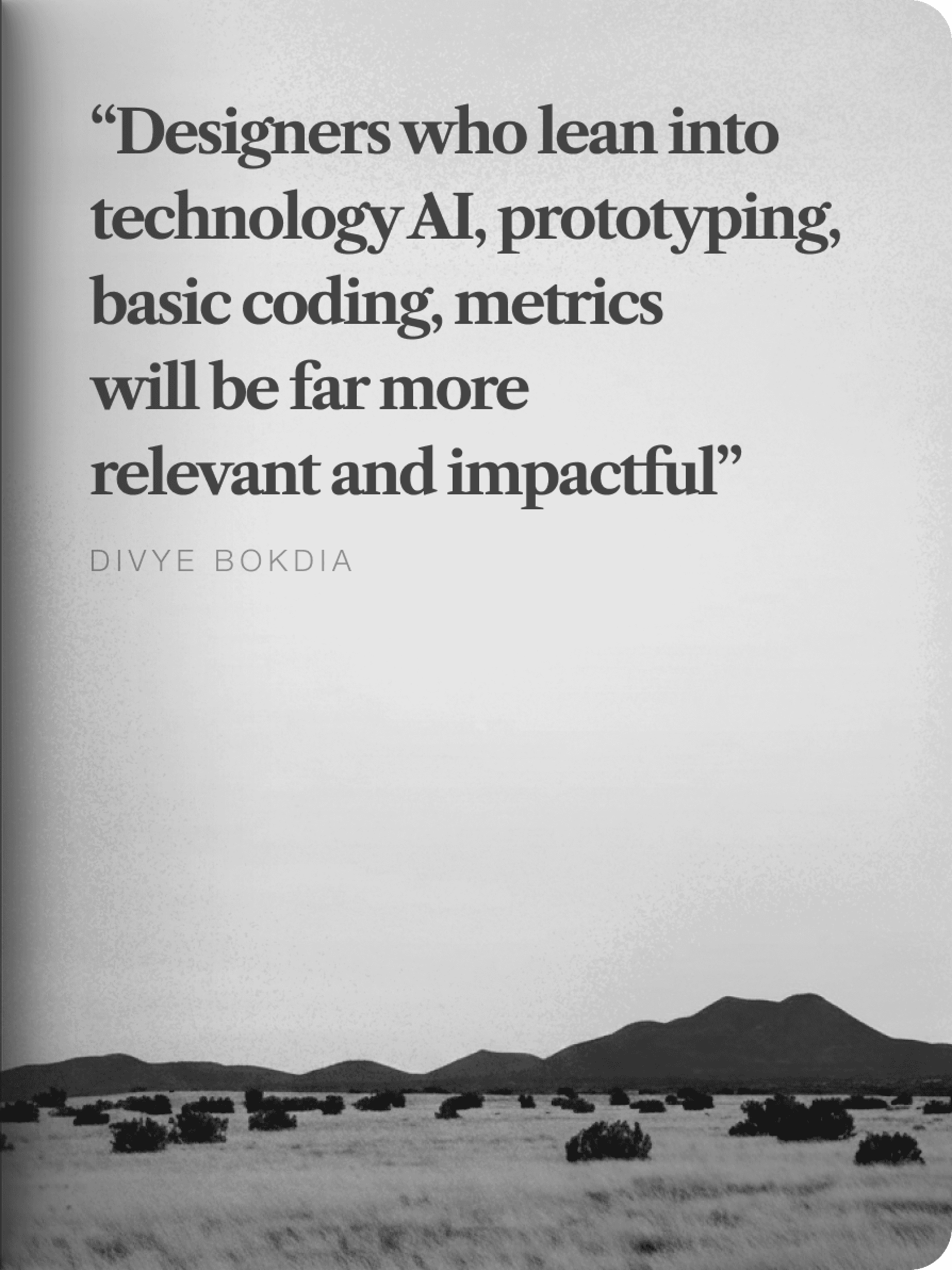
At Atlassian, AI has rapidly become a core part of the design and product development workflow. Divye described how AI-first thinking is now embedded in processes: product managers and designers are expected to provide “vibe-coded” prototypes along with PRDs to enable faster visualization and validation. AI tools like Figma Make and Replit automate repetitive tasks.
Design’s Strategic Role & Future Vision
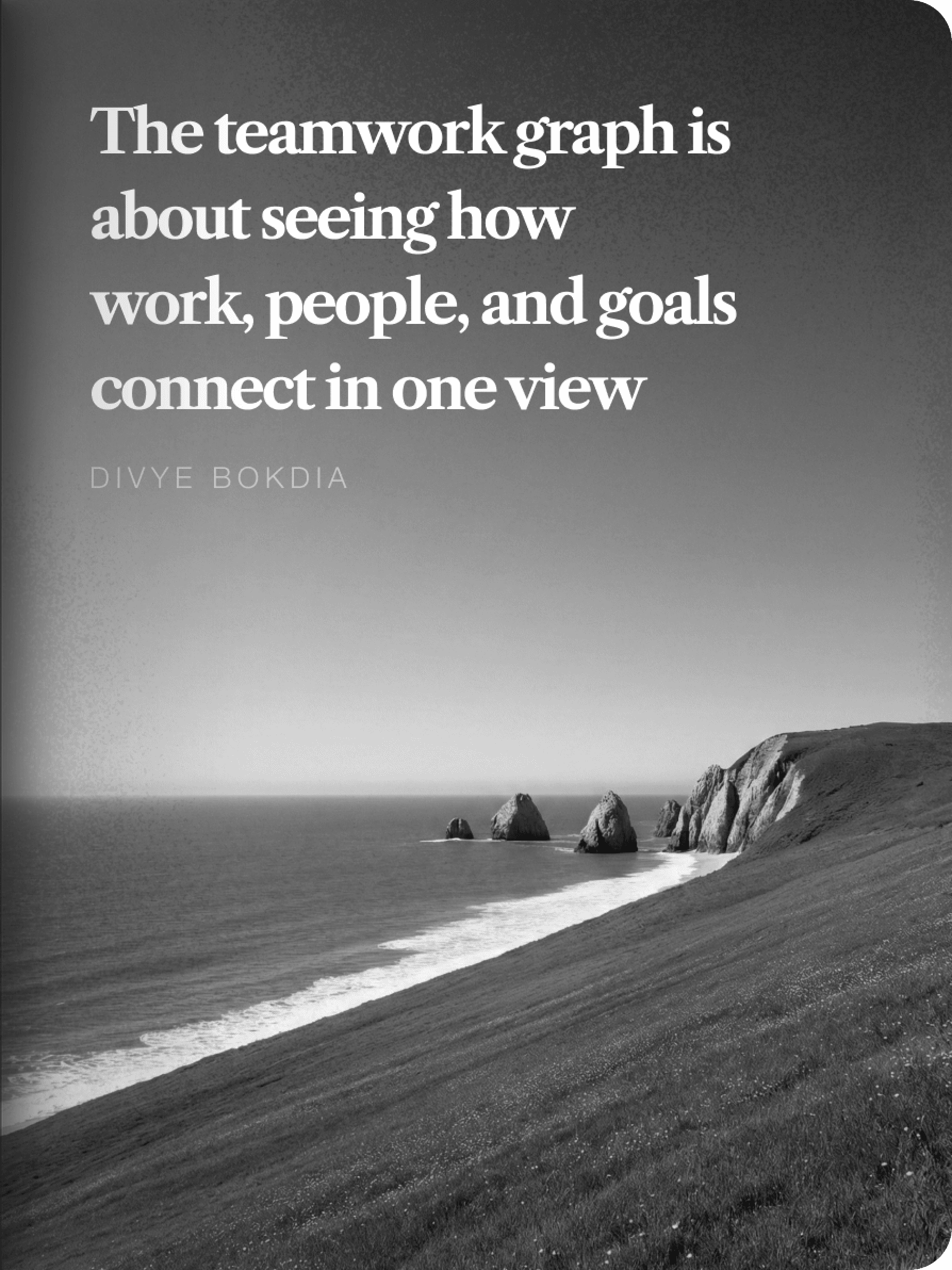
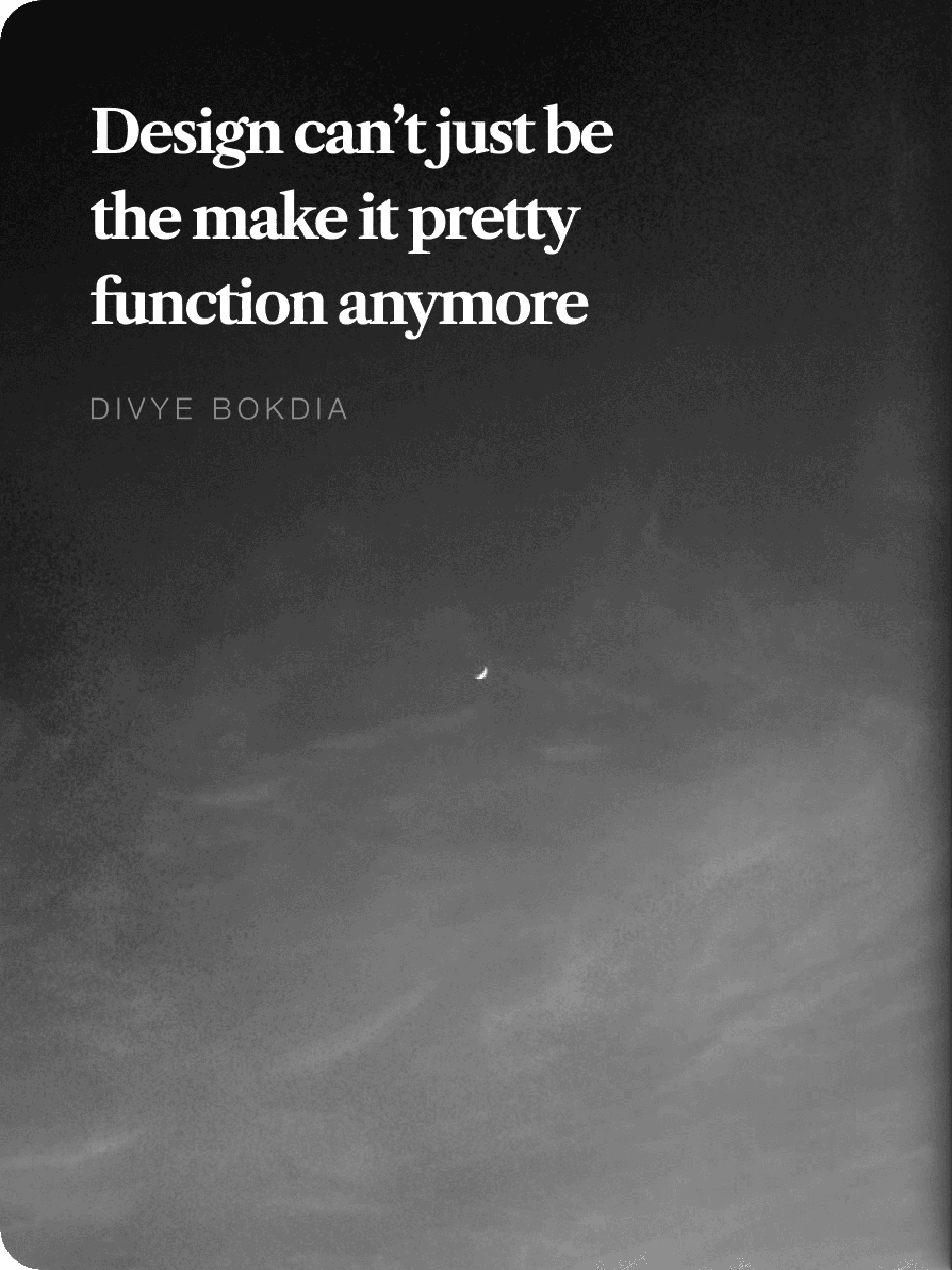
Design at Atlassian is evolving from a purely functional implementation toward a strategic business role. The “teamwork graph” connects data across Jira, Confluence, Loom, and other products to provide actionable insights on company goals and resources. AI is leveraged not to replace designers but to raise quality and speed, enabling more dynamic prototyping and customer validation.

From Silicon Valley to Indian Startups: Lessons from Amazon, NVIDIA, and Upstox

After spending years at global giants like Amazon and NVIDIA - where design teams operated with deep process rigor and ownership rooted in strong leadership principles-moving to Upstox was a drastic shift in pace and culture. Startups demand speed, scrappiness, and rapid iteration, with features that ship in days instead of months. While Amazon’s scale required meticulous collaboration, Upstox required building everything from scratch: design systems, processes,
and a growing team that scaled from three to fifty designers in just under two years. The biggest challenge was finding Indian designers who could balance aesthetics with systemic thinking, strong communication, and business savvy. Despite the differences, both environments shared a core focus on ownership, customer value, and adaptability - lessons that shaped effective design leadership across two very different worlds.
Building and Leading High-Performance
Design Teams
As Upstox grew from three to fifty designers, the Head of Design focused on hiring people with practical skills - not just impressive titles. He looked for designers who could conduct research, work with data, and confidently advocate for users. Creating clear job roles and expectations made hiring and onboarding smoother.
He trusted the team, gave them the freedom to experiment, and supported their ideas. Regular feedback, mentorship, and open conversations helped everyone grow. He also guided new designers and managers, helping them learn, adapt, and step into their roles as the organization evolved.
Remote Work & Creative Collaboration
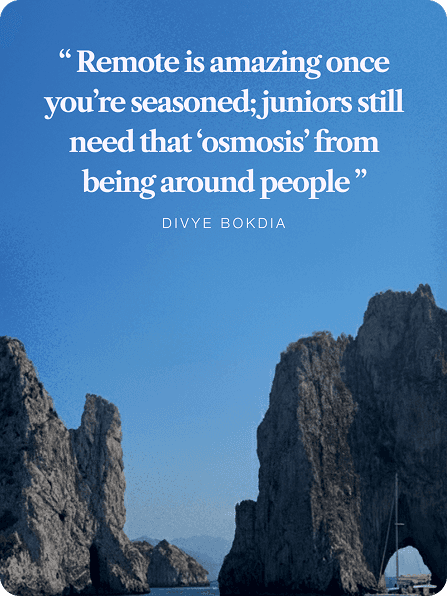
Remote work allowed him to return to India and save time otherwise spent commuting. He misses the casual office conversations that helped ideas spread. Working remotely means setting boundaries and taking strong personal ownership. While remote is best when a foundation exists, early-career designers gain much from in-person learning and being near senior talent
Scaling design teams
& talent
At Upstox, the design team grew quickly from just a few to dozens within two years. To manage this, the leader quickly set clear levels, expectations, and processes. He avoided title inflation and sought designers who understood data, business impact, and user needs, not just visuals. Structured reviews and simple documentation helped teams stay organized amidst rapid change
Conversation with Design Originals Club
Design Leadership in the age of AI
In this conversation we covered everything related to leadership and AI
Head of Design, Atlassian
Currently he leads the design practice at Atlassian as the Head of Design.
AI-Driven Transformation in Product Design
At Atlassian, AI has rapidly become a core part of the design and product development workflow. Divye described how AI-first thinking is now embedded in processes: product managers and designers are expected to provide “vibe-coded” prototypes along with PRDs to enable faster visualization and validation. AI tools like Figma Make and Replit automate repetitive tasks.
Design’s Strategic Role & Future Vision
Design at Atlassian is evolving from a purely functional implementation toward a strategic business role. The “teamwork graph” connects data across Jira, Confluence, Loom, and other products to provide actionable insights on company goals and resources. AI is leveraged not to replace designers but to raise quality and speed, enabling more dynamic prototyping and customer validation.
From Silicon Valley to Indian Startups: Lessons from Amazon, NVIDIA, and Upstox
After spending years at global giants like Amazon and NVIDIA - where design teams operated with deep process rigor and ownership rooted in strong leadership principles-moving to Upstox was a drastic shift in pace and culture. Startups demand speed, scrappiness, and rapid iteration, with features that ship in days instead of months. While Amazon’s scale required meticulous collaboration, Upstox required building everything from scratch: design systems, processes,
and a growing team that scaled from three to fifty designers in just under two years. The biggest challenge was finding Indian designers who could balance aesthetics with systemic thinking, strong communication, and business savvy. Despite the differences, both environments shared a core focus on ownership, customer value, and adaptability - lessons that shaped effective design leadership across two very different worlds.

Remote Work & Creative Collaboration
Remote work allowed him to return to India and save time otherwise spent commuting. He misses the casual office conversations that helped ideas spread. Working remotely means setting boundaries and taking strong personal ownership. While remote is best when a foundation exists, early-career designers gain much from in-person learning and being near senior talent
Scaling design teams
& talent
At Upstox, the design team grew quickly from just a few to dozens within two years. To manage this, the leader quickly set clear levels, expectations, and processes. He avoided title inflation and sought designers who understood data, business impact, and user needs, not just visuals. Structured reviews and simple documentation helped teams stay organized amidst rapid change
Building and Leading High-Performance Design Teams
As Upstox grew from three to fifty designers, the Head of Design focused on finding people who had practical skills, not just fancy titles. He wanted designers who could do research, work with data, and speak up for users. Making job roles and expectations clear helped the hiring and onboarding process. He trusted the team, gave them freedom to try new things, and supported their ideas. Regular feedback, mentorship, and open talks helped everyone improve. He also guided new designers and managers, helping them learn and adapt as the job changed


Design leadership in the age of AI
Head of Design, Atlassian
Currently he leads the design practice at Atlassian as the Head of Design.
Design Leadership in the age of AI
Currently he leads the design practice at Atlassian as the Head of Design.




AI-Driven Transformation in Product Design
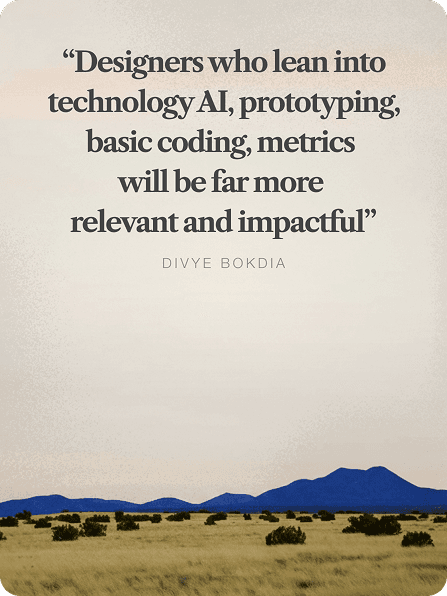
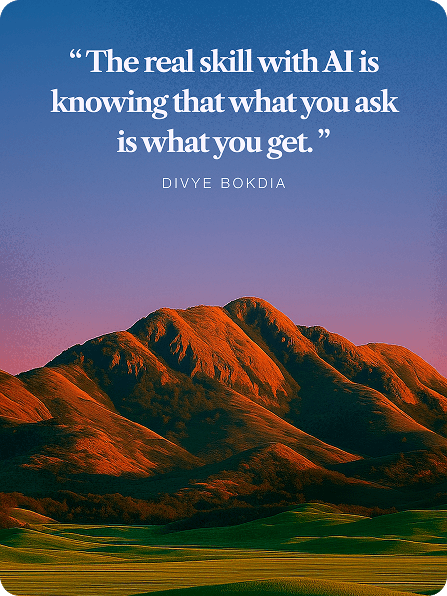
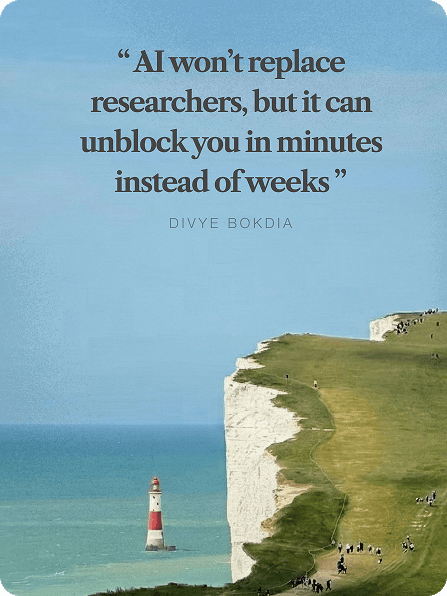
At Atlassian, AI has rapidly become a core part of the design and product development workflow. Divye described how AI-first thinking is now embedded in processes: product managers and designers are expected to provide “vibe-coded” prototypes along with PRDs to enable faster visualization and validation. AI tools like Figma Make and Replit automate repetitive tasks.
Design’s Strategic Role & Future Vision
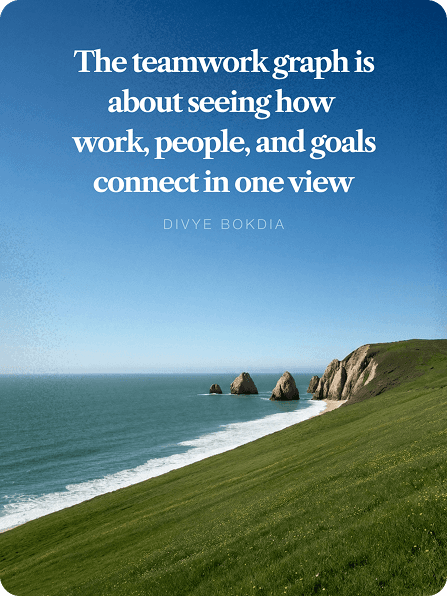
Design at Atlassian is evolving from a purely functional implementation toward a strategic business role. The “teamwork graph” connects data across Jira, Confluence, Loom, and other products to provide actionable insights on company goals and resources. AI is leveraged not to replace designers but to raise quality and speed, enabling more dynamic prototyping and customer validation.

From Silicon Valley to Indian Startups: Lessons from Amazon, NVIDIA, and Upstox

After spending years at global giants like Amazon and NVIDIA, where design teams operated with deep process rigor and ownership grounded in strong leadership principles, moving to Upstox was a drastic change in pace and culture. Startups demand speed, scrappiness, and rapid iteration—features that can ship in days instead of months. While Amazon’s scale required meticulous collaboration, Upstox required building everything from scratch: design systems, processes, and a growing team scaling from three to fifty designers in just under two years. The biggest challenge was finding Indian designers who balanced aesthetics with systemic thinking,
communication, and business savvy. Despite the differences, Both environments shared a core focus on ownership, customer value, and adaptability lessons that shaped effective design leadership across very different worlds
Remote Work & Creative Collaboration
Remote work allowed him to return to India and save time otherwise spent commuting. He misses the casual office conversations that helped ideas spread. Working remotely means setting boundaries and taking strong personal ownership. While remote is best when a foundation exists, early-career designers gain much from in-person learning and being near senior talent
Scaling design teams
& talent
At Upstox, the design team grew quickly from just a few to dozens within two years. To manage this, the leader quickly set clear levels, expectations, and processes. He avoided title inflation and sought designers who understood data, business impact, and user needs, not just visuals. Structured reviews and simple documentation helped teams stay organized amidst rapid change
Building and Leading High-Performance Design Teams
As Upstox grew from three to fifty designers, the Head of Design focused on finding people who had practical skills, not just fancy titles. He wanted designers who could do research, work with data, and speak up for users. Making job roles and expectations clear helped the hiring and onboarding process. He trusted the team, gave them freedom to try new things, and supported their ideas. Regular feedback, mentorship, and open talks helped everyone improve. He also guided new designers and managers, helping them learn and adapt as the job changed
Head of Design, Atlassian
Currently he leads the design team at Atlassian.
Design Leadership in the age of AI
We covered everything related to leadership and AI

AI-Driven Transformation in Product Design
At Atlassian, AI has rapidly become a core part of the design and product development workflow. Divye described how AI-first thinking is now embedded in processes: product managers and designers are expected to provide “vibe-coded” prototypes along with PRDs to enable faster visualization and validation. AI tools like Figma Make and Replit automate repetitive tasks.
Design’s Strategic Role
& Future Vision
Design at Atlassian is evolving from a purely functional implementation toward a strategic business role. The “teamwork graph” connects data across Jira, Confluence, Loom, and other products to provide actionable insights on company goals and resources. AI is leveraged not to replace designers but to raise quality and speed, enabling more dynamic prototyping and customer validation.
From Silicon Valley to Indian Startups: Lessons from Amazon, NVIDIA, & Upstox

After spending years at global giants like Amazon and NVIDIA - where design teams operated with deep process rigor and ownership rooted in strong leadership principles-moving to Upstox was a drastic shift in pace and culture. and a growing team that scaled from three to fifty designers in just under two years. The biggest challenge was finding Indian designers who could balance aesthetics with systemic thinking, strong communication, and business savvy. Despite the differences, both environments shared a core focus on ownership, customer value, and adaptability - lessons that shaped effective design leadership across two very different worlds.Startups demand speed, scrappiness, and rapid iteration, with features that ship in days instead of months. While Amazon’s scale required meticulous collaboration, Upstox required building everything from scratch: design systems, processes.
Remote Work & Creative Collaboration
Remote work allowed him to return to India and save time otherwise spent commuting. He misses the casual office conversations that helped ideas spread. Working remotely means setting boundaries and taking strong personal ownership. While remote is best when a foundation exists, early-career designers gain much from in-person learning and being near senior talent
Building and Leading High Performance Design Teams
As Upstox grew from three to fifty designers, the Head of Design focused on finding people who had practical skills, not just fancy titles. He wanted designers who could do research, work with data, and speak up for users. Making job roles and expectations clear helped the hiring and onboarding process. He trusted the team, gave them freedom to try new things, and supported their ideas. Regular feedback, mentorship, and open talks helped everyone improve. He also guided new designers and managers, helping them learn and adapt as the job changed
Scaling design teams & talent
At Upstox, the design team grew quickly from just a few to dozens within two years. To manage this, the leader quickly set clear levels, expectations, and processes. He avoided title inflation and sought designers who understood data, business impact, and user needs, not just visuals. Structured reviews and simple documentation helped teams stay organized amidst rapid change
Design leadership in the age of AI


